
Why Does My Sprinkler Spray Mist Instead of a Steady Stream?
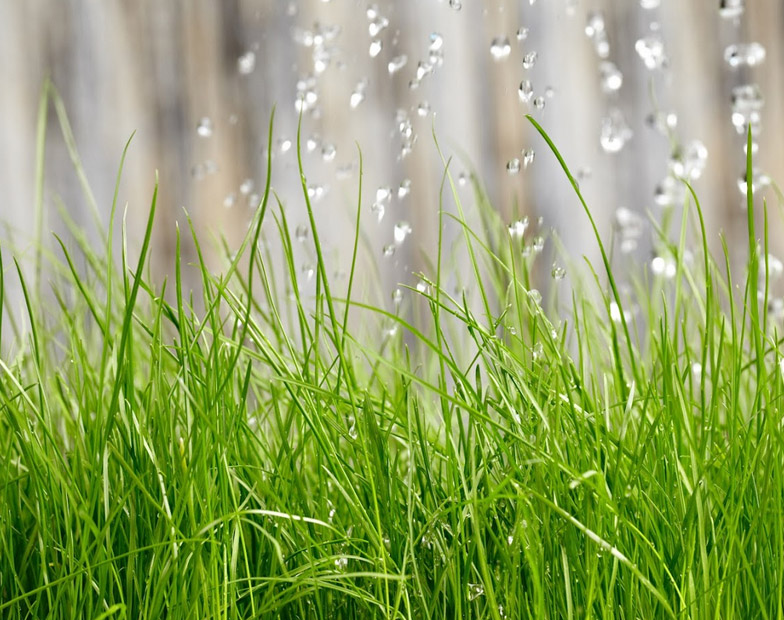
If your sprinkler system is spraying a fine mist instead of a steady, consistent stream, it’s a sign that something isn’t working quite right. A properly functioning sprinkler should deliver water in a predictable pattern, either as a fan, stream, or spray, depending on the head type. Mist, however, is usually a red flag. While it might seem harmless, this condition can lead to water waste, dry patches, and an inefficient irrigation system. Let’s explore the common causes of misting and how to correct the issue.
High Water Pressure
The most common reason for sprinkler heads to emit mist instead of a stream is excessive water pressure. Most sprinkler systems are designed to operate at a specific pressure range, typically between 30 and 50 PSI (pounds per square inch). When pressure exceeds this range, the water exits the sprinkler nozzle too forcefully, breaking into tiny droplets that become airborne and drift away.
High pressure not only creates mist but also reduces the efficiency of your irrigation. The fine mist evaporates or gets carried away by the wind before it can soak into the soil, meaning your lawn or plants receive less water than intended. This may lead to dry areas, especially in hot or windy climates.
Solution: Install a pressure regulator. These can be added at the valve or directly on the sprinkler head, depending on the system design. Some modern sprinkler heads come with built-in pressure regulation. Another option is a pressure-reducing valve (PRV) for the entire irrigation system.
Incorrect Nozzle or Head Type
Misting can also occur if the wrong nozzle is used for the specific application or water pressure. Spray nozzles are designed for shorter ranges and require less pressure, while rotors and gear-driven heads are meant for longer distances and higher flow rates. Installing a high-flow nozzle on a low-flow head, or vice versa, can cause inconsistent patterns and misting.
Solution: Check that the sprinkler heads and nozzles match the design specifications of your system. You may need to swap nozzles to better fit the zone’s water pressure and coverage needs.
Clogged or Worn-Out Sprinkler Heads
Another potential cause of misting is a clogged or deteriorating nozzle. Over time, dirt, debris, and hard water deposits can accumulate inside the nozzle, affecting spray patterns. As the nozzle erodes or clogs, it may force water out at unintended angles or in fine droplets.
Solution: Clean the sprinkler head regularly. Remove the nozzle and rinse it with water or soak it in a vinegar solution to remove mineral buildup. If cleaning doesn’t help, it may be time to replace the nozzle or the entire head.
System Design or Zoning Issues
If misting only occurs in certain zones or at specific times, the system may be improperly zoned. For example, too many heads on a single line can create pressure fluctuations, causing misting in the heads farthest from the valve.
Solution: Reevaluate the zoning layout. Consider balancing the number of heads per zone or adding a new zone if necessary. A professional irrigation audit can help identify weak spots or imbalances.
Temperature and Environmental Factors
While less common, ambient temperature and wind can also create the illusion of misting. On a hot day, evaporation can make water appear as a mist even when pressure is normal. Similarly, wind can disrupt spray patterns and scatter water droplets.
Solution: Water early in the morning or late in the evening to reduce evaporation. Adjust sprinkler heads to compensate for wind direction if needed.
Sprinkler misting is more than just a cosmetic issue, it’s a signal that your irrigation system isn’t working efficiently. Left unaddressed, it can lead to higher water bills, plant stress, and uneven lawn coverage. The good news is that misting is usually fixable with basic adjustments, cleaning, or upgrades like pressure regulators. By diagnosing the root cause, whether it’s high pressure, worn components, or incorrect nozzle types, you can restore your sprinklers to optimal performance and ensure your landscape gets the hydration it needs without waste.
Related Posts


